Gale Lane Summer Fete: What's On, Where to Park and What to Bring
A practical guide to the Gale Lane summer fete, covering the best times to arrive, where to park, what to bring and the things first-timers always forget.
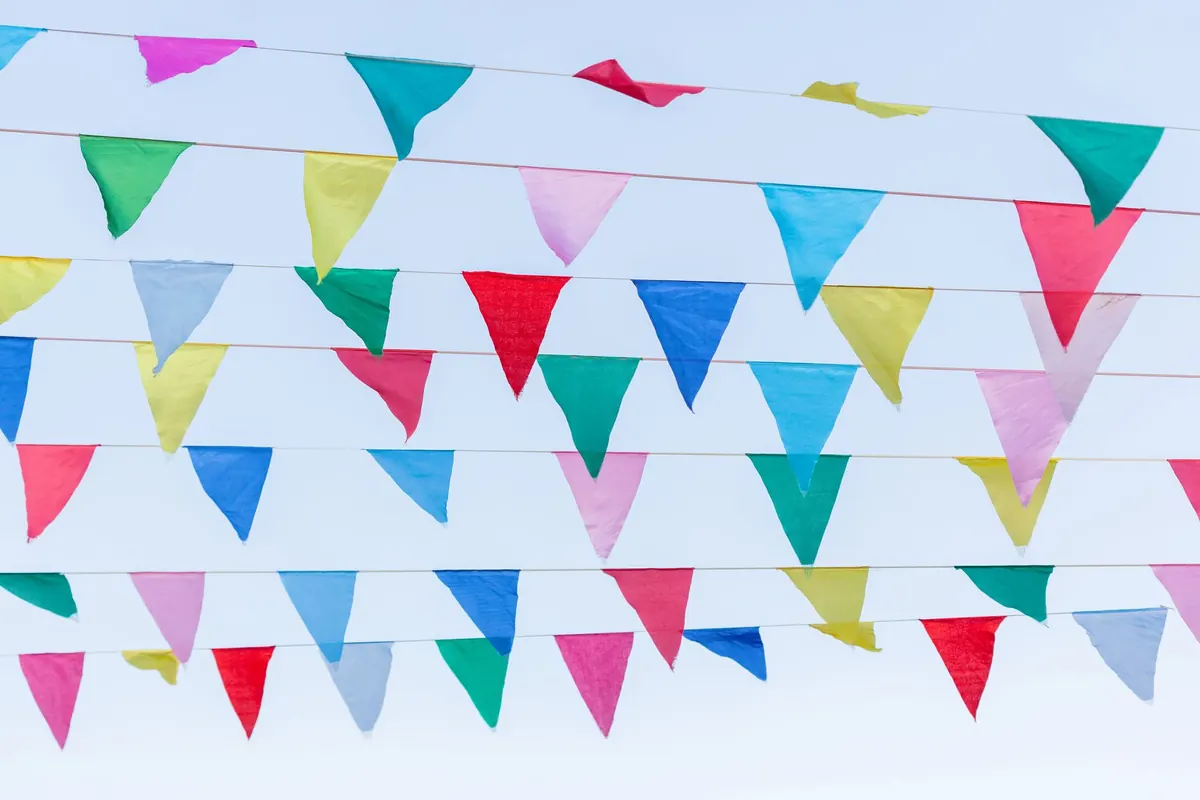
Gale Lane's summer fete is the sort of afternoon that rewards a little planning. Not much — this is not a festival with wristbands and a timetable app — but a bit. The difference between a relaxed few hours and a slightly frazzled one usually comes down to three things: when you arrive, where you leave the car, and whether you remembered to bring cash.
What follows is a practical preview for anyone going for the first time, and a useful reminder for anyone who has been going for years and still ends up parked three streets away with a warm bottle of water and no change for the tombola.
Timings: when to turn up
The fete runs from late morning into the afternoon, with the busiest stretch falling somewhere between midday and two o'clock. Exact opening and closing times shift a little each year, so it is worth checking the programme on the community noticeboard or the details circulated by the organisers before you set off. If you take one thing from this piece, make it this: arrive in the first hour if you want first pick of the stalls.
The first hour
The gates open, the tea urn is hot, the cake table is fully stocked and the queue for the barbecue has not formed yet. Plant stalls are at their best early as well — decent tomato seedlings and sturdy perennials have a habit of disappearing before lunch. If you have small children, the first hour is also the quietest for face painting and the bouncy castle, both of which turn into a scrum by early afternoon.
Mid to late afternoon
By two o'clock the field is properly busy. The raffle is usually drawn in the middle of the afternoon, and the arena events tend to run after that, once the stalls have had their first rush. Things wind down towards the end of the day, and the last half hour is often the best time for a bargain on the book stall or a reduced price on whatever is left on the plant table. Bring a bag that can cope with a slightly muddy pot.
What's on: stalls and activities
The line-up changes a little from year to year, but the shape of the day stays familiar. Expect a mix of the following:
- Food and drink — a barbecue, a tea and cake tent, and usually something cold for the children.
- Traditional stalls — tombola, raffle, a bottle stall, a lucky dip and a coconut shy if someone has volunteered to run it.
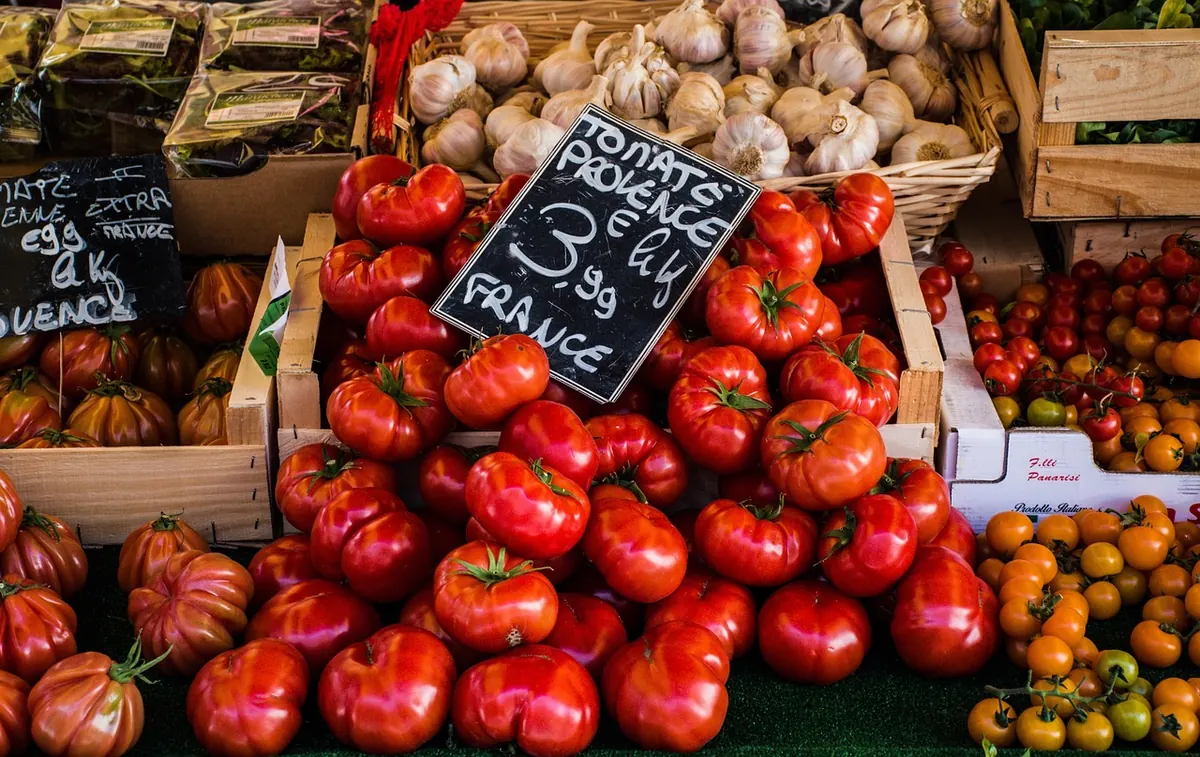
- Produce and plants — cakes, jams, chutneys, bedding plants, herbs and vegetable seedlings from local growers.
- Second-hand stalls — books, toys, puzzles, and a nearly-new table that is worth a slow browse.
- Crafts and activities — face painting, craft tables, hook-a-duck, and generally a bouncy castle or inflatable slide.
- Arena events — a dog show, children's races, and music from a local group or two.
Worth planning your afternoon around
The dog show and the children's races are the two things people most often miss. Both usually have a registration point where you sign up beforehand, and both fill up quickly. If someone in your group wants to take part, find the registration table as soon as you arrive rather than halfway through the afternoon. Dog show classes are typically split by size and age, and there is almost always a class for the dog that looks most like its owner.
For the arena events, arrive ten minutes early and stand along the rope rather than behind the crowd. You will see far more, and children get a much better view from the front.
Where to park — and where not to
Parking is the single biggest source of stress on fete day, and it is entirely avoidable. On-site parking at the recreation ground is limited and fills within the first twenty minutes. If you are not there early, work through the options below in order.
- Walk or cycle if you can. Bike racks are usually provided near the main entrance, and arriving on foot avoids the whole problem.
- Use the nearby car parks rather than circling the field. A five-minute walk is quicker than ten minutes of queuing.
- If you park on residential streets, leave driveways clear, keep junctions and dropped kerbs free, and stay off verges. Check any signage for restrictions before you leave the car.
- Blue badge bays are for badge holders only. They are checked, and using one without a badge is both unfair and a good way to ruin your afternoon.
Agree a meeting point and a pick-up spot in advance if you are arriving separately or planning to leave early. The road outside the main gate gets congested at the end of the day, and a designated quiet side street is far easier than trying to spot each other in a crowd.
What to bring
Most of this fits in a single bag, and all of it will earn its place:
- Cash, including small notes and coins. Card readers are increasingly common, but mobile signal on a busy field is unreliable and many stalls still prefer notes and change.
- A reusable bag or two, plus something rigid if you plan to buy plants.
- Water and a few snacks, especially if you have children who will refuse to queue.
- Sun cream and a hat. Even a cloudy afternoon on an open field catches people out.
- A light waterproof. British summer being what it is.
- A blanket or folding chair if you want to sit and watch the arena events in comfort.
- A lead and a water bowl if you are bringing the dog. Dogs are welcome at most of the fete, but they should stay on a lead near food stalls and the arena.
What first-timers always forget
Every year, the same handful of things catches people out. Cash is the big one. So is a bag: watching someone carry a Victoria sponge, a pot of basil and a raffle prize in two hands across a field is a familiar sight by mid-afternoon.
Write your mobile number on your child's wrist, or on a card in their pocket, and point out the lost child point near the main entrance when you arrive. Agree a meeting spot in case anyone gets separated. It takes thirty seconds and saves an awful lot of worry.
Other things worth sorting before you go: know where the toilets and the first aid point are, charge your phone, and take a spare layer for children who will inevitably end up wet from the water game. If you are buying for a raffle or tombola, note that prizes are usually drawn in the afternoon, so keep your tickets somewhere sensible rather than crumpled in a pocket.
A few last checks before you set off
Confirm the start and finish times, decide how you are getting there, and put some change in your pocket. Take a bag, take water, and take a layer you can put on or take off. If you can walk, walk; if you drive, park properly and accept a short stroll.
The fete is run by volunteers, and the money raised stays in the local area. If you enjoy the afternoon and have an hour spare, offer to help set up next year or lend a hand on a stall — that is genuinely how these events keep going. Failing that, buy a raffle ticket, say thank you to the people on the cake table, and enjoy the afternoon.
Photo: Julia Filirovska / Pexels