


Winter Checklist: Getting Your Home and Street Ready for Cold Weather
A practical seasonal checklist for homeowners and neighbours — pipes, grit bins, gutters, drives and a knock on the door before the first frost.
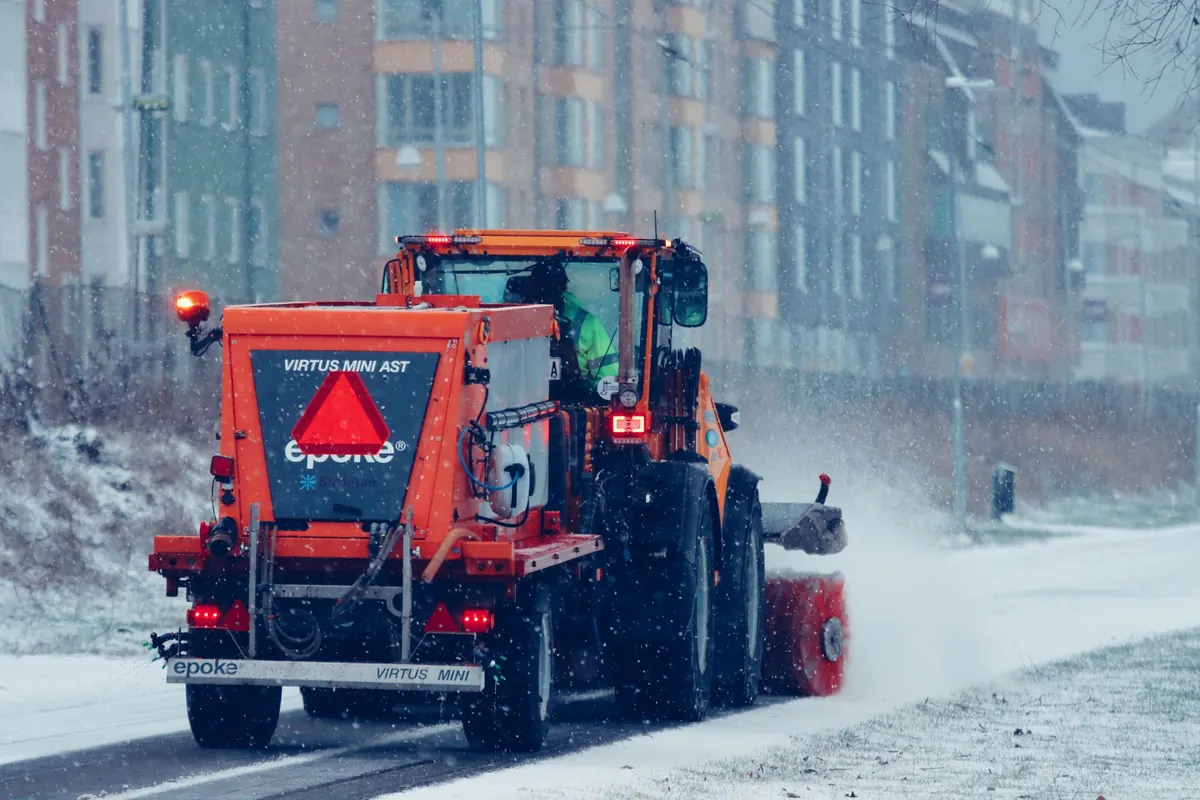
Frost rarely announces itself. You go to bed with the heating on a timer and wake to a white lawn, a windscreen to scrape and a cold tap that splutters. Most winter damage happens in the first snap, before anyone has got round to the small jobs. A couple of hours on a dry afternoon in late autumn usually prevents the worst of it. What follows is a working checklist, for your house and for the street outside it.
Walk the outside first
Start at the front door and work your way round, torch in hand. You are looking for anything loose, cracked, blocked or dripping, and it is far easier to spot these things in daylight now than at seven in the morning with the car iced up.
- Loose or slipped roof tiles, and flashing that has lifted away from the wall.
- Gutters sagging or overflowing, with leaves packed at the outlet.
- Downpipes that discharge straight onto a path or into a flower bed rather than a drain.
- Blocked gullies and grids, especially the one just outside the door.
- Cracked render, tired sealant round windows, and air bricks that have been covered over.
- Fencing, gates and bin store doors that will rattle in a gale.
Write the list down as you go. Fix what you can yourself, and get anything involving ladders, roofs or electrics looked at by someone qualified before the weather turns. If you are unsure whether a job is safe to attempt, it almost certainly is not.
Pipes, taps and the stopcock
Water causes most of the expensive damage. A pipe that splits in a cold loft can run for hours before anyone notices, and by then the ceiling has gone.
Find the stopcock before you need it
Locate the internal stopcock, check it turns, and make sure everyone in the house knows where it is. If it is stiff, work it gently rather than forcing it. Keep the number of a plumber somewhere you will actually find it in a hurry, not buried in an old email.
Protect what you can
- Lag exposed pipes in the loft, garage and any cupboard on an outside wall. Foam sleeving is cheap and quick to fit.
- Fix dripping taps and overflowing cisterns. Moving water freezes more slowly than still water, but a drip on a cold night still builds ice and wastes water.
- Isolate and drain outside taps if your system allows it, and fit an insulated cover.
- Leave the loft hatch open during a very cold spell so warm air can reach the tanks and pipework.
- If you are going away, leave the heating on a low background setting rather than switching it off completely, and ask someone to look in.
If you have a boiler, an annual service by a Gas Safe registered engineer is worth the money, and it is much easier to arrange in October than on the day it stops working.
Gutters, drains and drives
Clear gutters and gullies while the leaves are still dry and light. Once they are sodden and frozen, the job is twice as unpleasant and half as effective. A blocked gutter sends water down the face of the wall, where it finds the smallest gap and turns it into a damp patch above the window.
Then look at the ground. Standing water on a drive or path will freeze into an ice rink overnight, and it tends to form exactly where the postman, the bin crew and the delivery driver walk. Sweep away leaves, clear the channel in front of any garage door, and check that water runs away from the house rather than towards it.
On drives themselves, brush loose gravel back into place and clear the edges so surface water can drain. Resist pouring boiling water on to a frozen path or windscreen. On glass it can crack the screen; on paving it refreezes and leaves a thin, invisible layer that is worse than the ice you started with. Rock salt and grit are the safer options, though even salt struggles in a hard, prolonged freeze, so it is worth spreading it early rather than late.
Grit bins, pavements and the shared street
Find out where your nearest grit bin is, and check it is full now rather than in January. If it is empty, report it to your local council before the cold weather arrives — waiting lists for refills are always longest during the first cold week.
Grit in those bins is meant for public roads and pavements, not private driveways, so don't empty it into your own frontage. Buy your own bag of rock salt for the path and keep it by the door in a bucket with a scoop. It lasts for years if it stays dry.
This is also the moment to have a quiet word with the neighbours about the stretch nobody owns: the corner pavement, the alley behind the terrace, the slope by the bus stop. A simple arrangement works well — two or three households, each taking a section when the forecast looks cold, sharing the salt and the shovels. Clear the path to the bin store and the pavement outside any house where someone is unsteady on their feet. It takes ten minutes and prevents falls that take months to recover from.
The home front
Once the outside is sorted, spend half an hour indoors.
- Bleed radiators so the heating runs evenly, and check the pressure gauge if you have a sealed system.
- Test smoke and carbon monoxide alarms, and replace the batteries.
- Check draughts round doors and letterboxes; a brush strip and a draught excluder make a real difference to a cold hallway.
- Charge torches and a power bank, and keep candles and matches where you can find them in the dark.
- Put together a small winter box: salt, a scraper, de-icer, gloves, a torch, a spare blanket and a shovel near the front door.
Keep a couple of days of essentials in the cupboard, too. Icy roads sometimes mean the shop run does not happen, and a power cut is a poor time to discover you have no milk, bread or batteries.
Checking on neighbours
Cold weather is hardest on people who live alone, are older, or manage a long-term health condition. A knock on the door costs nothing. Ask whether they need anything from the shop, whether their heating is working, and whether they have salt for the step. Offer to take the bin out on the icy week, or to walk with them to the bus stop.
Keep it light. Some people will refuse help out of pride, so offer something specific rather than a general "let me know if you need anything". And if you are genuinely worried about someone's health, encourage them to speak to their GP, or call NHS 111 for advice. In an emergency, call 999.
Put a date in the diary
Choose a Saturday in late October, before the clocks go back, and do the rounds: pipes lagged, gutters cleared, grit bin checked, salt in the porch, alarms tested, neighbours knocked for. Then set a reminder for the first forecast frost so you can spread salt on the path the evening before, when it actually does some good. Winter is much less trouble when it is met with a plan and a full grit bin.
Photo: Efrem Efre / Pexels