

How to Submit a Story to Gale Lane: A Beginner's Guide
A practical walkthrough for first-time contributors: what makes a local story worth telling, how to write it cleanly, and how to send it in with photographs.

You have something worth telling people about. A shop on the high street is closing after forty years. A group of neighbours has cleared a patch of waste ground and turned it into a vegetable plot. The parish council has approved something nobody knew was being discussed.
The gap between having a story and getting it published is smaller than most people think. You do not need a journalism qualification, a press pass or a professional camera. You need an interesting subject, a clear account of what happened, and a handful of details that let readers picture it for themselves.
What follows covers the whole process: deciding whether your story is worth sending, gathering the facts, writing it so it reads easily, and getting it to the Gale Lane desk with photographs attached.
What Makes a Good Local Story
Local news is not a smaller version of national news. It works differently. The best stories here are about things readers can see, visit, join, object to or benefit from.
A useful test: can you say in one sentence what has changed? "The 47 bus will stop running on Sundays from next month" is a story — something has changed and it affects people. "A new cafe has opened on Gale Lane" is fine too, provided there is a person behind it and a reason it matters. "Local man has opinions" is not a story.
Subjects that reliably work:
- something opening, closing or moving
- a decision by the council, a school or a landlord that affects local people
- a fundraising effort with a clear goal — a defibrillator, a new roof for the scout hut
- a long-running campaign reaching a milestone
- an anniversary, a reunion, a record, a first
- a problem that needs solving: potholes, flooding, a crossing that feels unsafe
- people doing something generous, unusual or quietly stubborn
Not everything needs to be serious. A piece about a man who has walked every footpath in the parish is worth reading if it is told with detail — the mud, the stiles, the field where the bull lives.
Gather the Facts Before You Write a Word
The most common reason a submitted story stalls is a missing basic: a date, a full name, a contact. Before you draft anything, note down the answers to these.
- What happened, in one sentence.
- When it happened, and when the next step happens.
- Where — street, building, park, junction.
- Who is involved: full names, spelled correctly, plus their role (chair of the residents' association, owner of the shop, Year 6 pupil).
- Why it matters to someone who has not heard about it yet.
- How readers can act on it: a meeting date, a donation point, a phone number that has agreed to be listed.
Check names against something written down rather than from memory, and read phone numbers back to whoever gave them to you. Ask permission before quoting someone or publishing their contact details. If a figure is uncertain, write "about" or leave it out altogether — a wrong number is worse than no number.
If your story touches on health, money or legal matters, report what people said and what happened. Leave the advice to qualified professionals and point readers to official sources instead.
Writing It: Keep the Structure Simple
Lead with the point
Your first sentence should carry the story:
Sunday bus services on the 47 route will end in March, leaving residents in the north of the village without a weekend link to town.
Everything after that explains, expands or reacts. Do not warm up with "I am writing to tell you about something that happened recently" — that sentence contains no information.
Fill in the detail
After the opening, answer the obvious questions in roughly this order: what exactly is changing, who decided, when it takes effect, and who is affected. Two or three short paragraphs is usually plenty. If you are describing a person, give one concrete detail rather than three adjectives.
Use quotes, carefully
One or two direct quotes bring a story to life better than any amount of description. Write them exactly as spoken, or check with the speaker if you want to tidy up the grammar. If you are paraphrasing, say so: "She said the crossing had been raised with the council three times."
Keep it tight
Roughly 300 to 600 words suits most local stories, and longer is fine when the subject carries it. Cut adjectives before you cut facts. Read the whole thing aloud — anywhere you stumble is where a reader will stumble too.
Photographs: What to Send and How to Take It
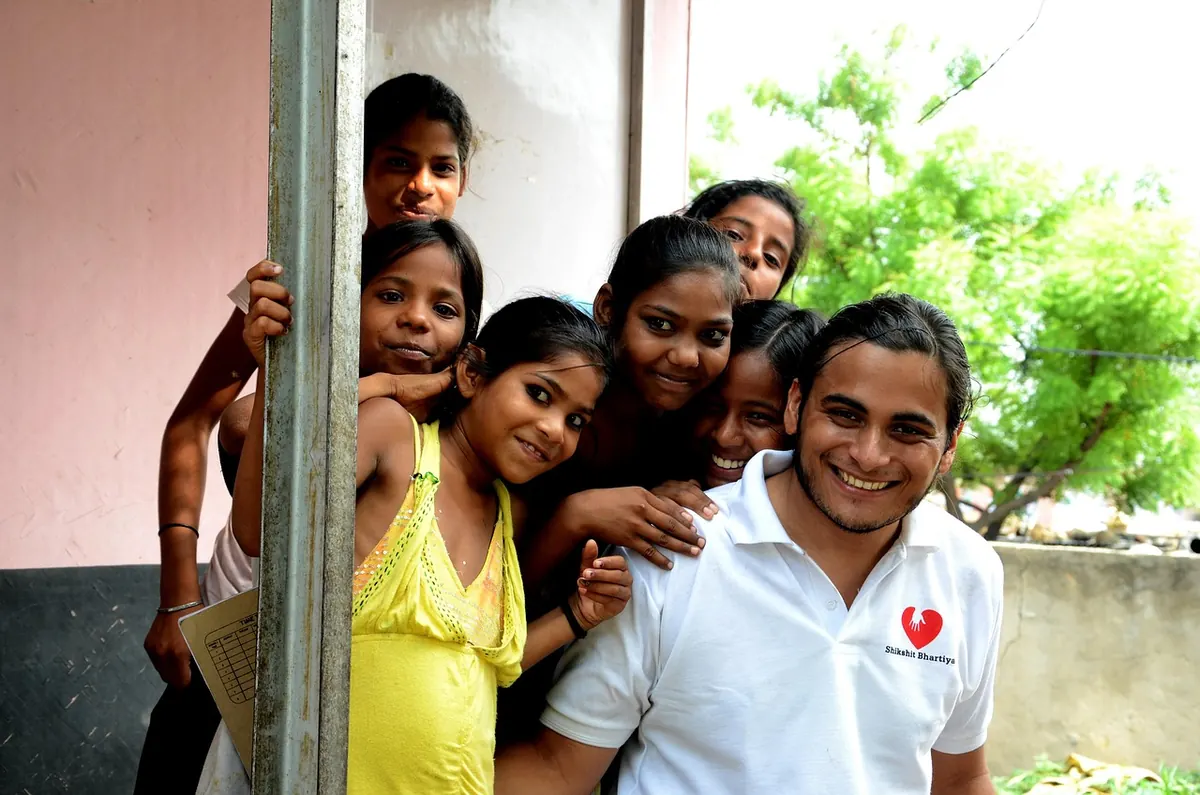
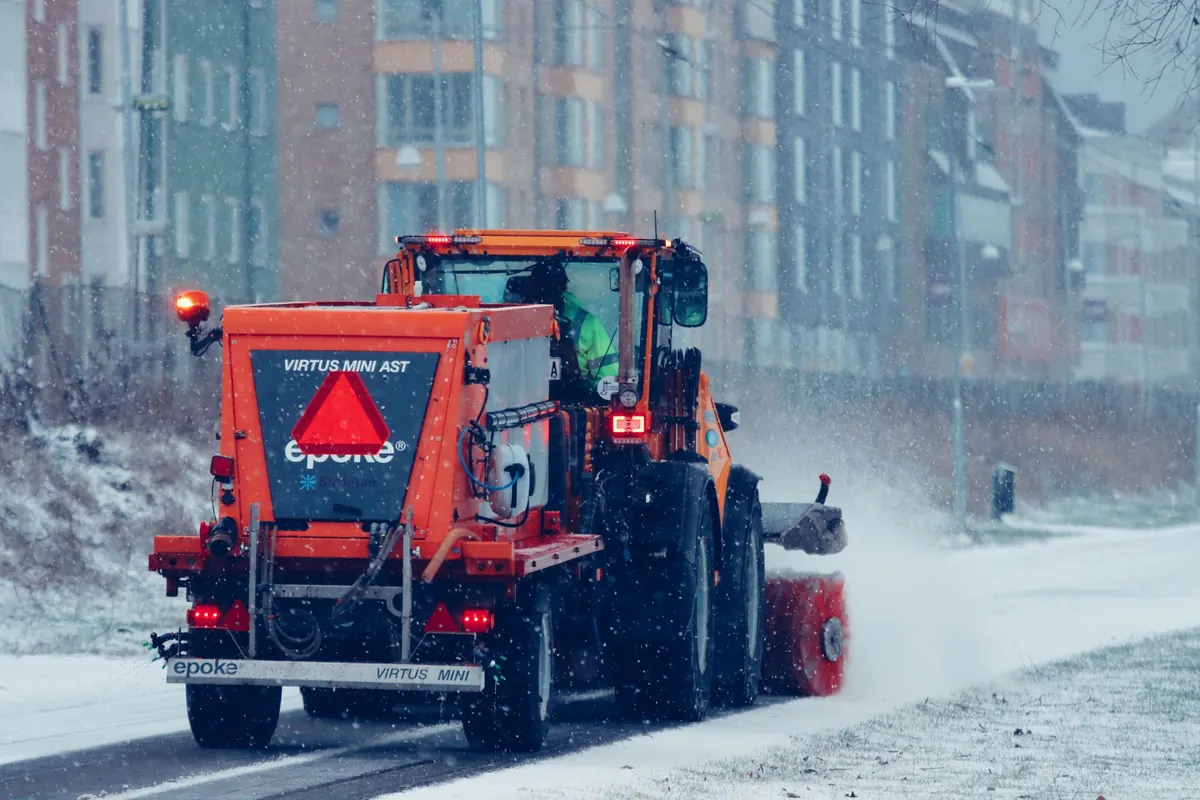
Photographs are not decoration. A story with one clear, relevant image is far more likely to be read and shared than the same words on their own.
- Use a phone camera. It is good enough. Avoid digital zoom; move closer instead.
- Shoot landscape for a wide scene, portrait for a single person. Send both if you have them.
- Take a few frames rather than one: a wide shot of the place, a medium shot of the people involved, and one detail — a hand on a sign, a row of empty seats.
- Work in daylight where you can, and switch the flash off.
- Ask permission from anyone recognisable, and from a parent or guardian before photographing children. If someone asks you not to take their picture, put the phone away.
- Send the original files, not screenshots or images saved from social media. They will be sharper.
- Write a caption for each image: who is in it, where it was taken, what is happening.
Sending It In
- Write a subject line that says what the story is: "Sunday 47 bus service to end in March — residents' meeting 14 February".
- Paste the text into the body of the email so it survives whatever software you use.
- Attach the photographs separately, at full size. Do not embed them inside a document.
- Add your name, your connection to the story, and a phone number or email for follow-up questions.
- Mention anything time-sensitive. An event on Saturday needs to reach the desk well before then.
- Flag anything you would rather not publish: a house number, a child's full name, a workplace.
- Keep your own copy, and send it to one place at a time.
What Happens Next
Submissions are read, and you will usually hear back either way. Local stories often need a little tidying — a missing date, a name checked twice, a better photograph — and that is normal, not a verdict on your writing. If something substantial changes, ask to see it before it goes up.
If your story does not run, it is rarely because it was badly written. More often the timing was wrong, or it works better as a short note, or something similar has just been published. Try again with the next thing you notice. Most regular contributors started with one small story about their own street, written in half an hour on a Sunday evening.
Photo: Foundry / Pixabay